

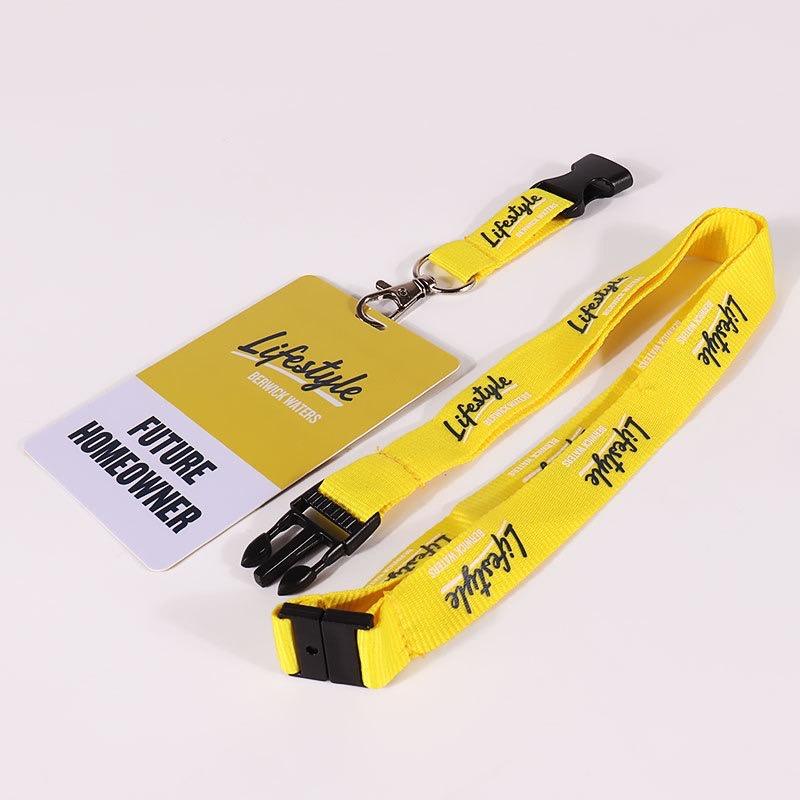

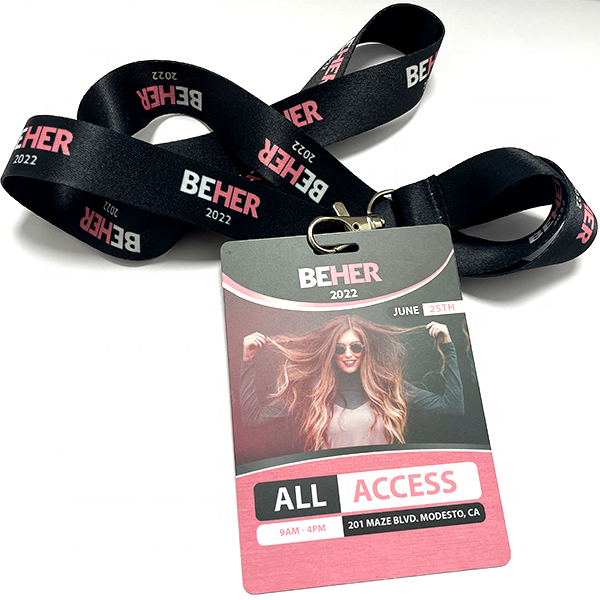


Detalles esenciales
MOQ:1000
Tiempo de entrega:13 working days
Envío:快递, 空运, 海运
Introducción del producto
| Item | RFID ID Badges |
| Material | PVC,PET |
| Chip | LF chips/ HF chips |
| Frequency | 125 kHz or 13.56MHz |
| Protocol | ISO14443A |
| Color | black, yellow, blue, etc |
| Size | 85.5*54 or custom |
| Memory | Depend on chips |
| Reading distance | 0-10m |
| Write Endurance | 100000 times |
| Working Temperature | -25°C to 65°C |
| Data Retention Time | 10 years |
| Printing Options | Silk-screen printing, Laser Engraving, CMYK full color, Pantone, etc. |
| Crafts Available | Logo or number printing, Bar code, QR code, etc. |
| Samples | Free samples are available upon request |
RFID (Radio-Frequency Identification) ID badges are identification badges equipped with RFID technology to enhance security and streamline access control processes. These badges typically contain a small embedded RFID chip or antenna that communicates wirelessly with RFID readers. Here's an overview of how RFID ID badges work:
RFID Technology: RFID is a technology that uses radio waves to transmit data between an RFID tag (in this case, embedded in the ID badge) and an RFID reader. The RFID chip stores information, and when the badge is within the range of an RFID reader, data is transmitted between the two.
Identification and Access Control: RFID ID badges are commonly used for access control in various environments, such as offices, government facilities, educational institutions, and other secure locations. The information stored on the RFID chip is usually linked to the badge holder's identity and access permissions.
Issuance and Programming: When an individual is issued an RFID ID badge, the badge is typically programmed with specific information such as the person's name, employee or student ID number, and access privileges. This programming is often done using specialized software managed by the organization.
Access Points: Access points equipped with RFID readers are strategically placed at entry points, doors, or other secure areas. When an individual approaches an access point and presents their RFID ID badge, the RFID reader scans the badge's chip, verifies the information, and grants or denies access based on the permissions associated with that particular badge.
Security Features: RFID technology enhances security as the information on the RFID chip is encrypted, and the wireless communication between the badge and the reader is relatively secure. Additionally, lost or stolen badges can be quickly deactivated in the system, preventing unauthorized access.
Versatility: RFID ID badges are versatile and can serve multiple purposes. In addition to access control, they can be used for time and attendance tracking, cashless payment systems, and other applications depending on the capabilities of the RFID technology and the system in place.
It's important to note that while RFID technology provides convenience and efficiency, organizations must also consider and implement security measures to prevent unauthorized access or data breaches. This can include encryption of data, secure key management, and regular system audits.